Indias Aviation Takeoff: How Domestic Airports Are Becoming Global Hubs
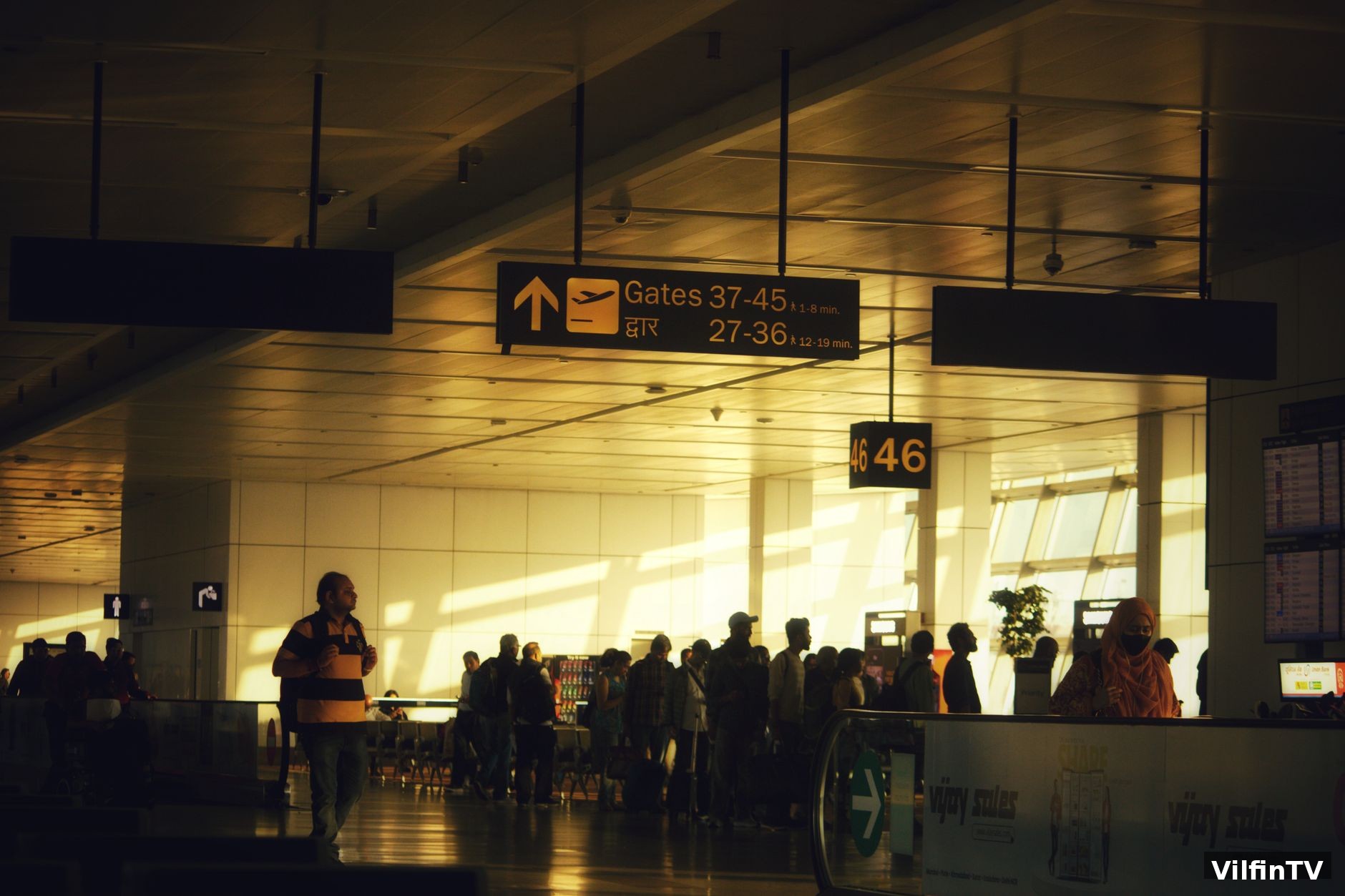
NEW DELHI — On a sweltering June morning, a British Airways Boeing 787 touches down at Indira Gandhi International Airport Terminal 3. The arrivals hall buzzes with Hindi, Tamil, Mandarin, Arabic, English. This is no longer just Indias gateway to the world. It is rapidly becoming the worlds gateway to India.
The Mega-Projects Jewar
Designed to handle 70 million passengers annually across four phases, Jewars Phase 1A became operational on April 17, 2025. The Yamuna Expressway provides a 90-minute link from central Delhi.
Navi Mumbai International Airport
Construction on the ₹16,700 crore project began in 2018. Terminal 1 is targeted for late 2025. Full completion in 2032 will handle 60 million passengers across three terminals.
Southern Expansion
Bengaluru T2 opened January 2023 doubling capacity to 50 million. Hyderabad handles 40 percent of Indias pharmaceutical exports by air. Cochin is the worlds first fully solar-powered airport connecting Kerala to 35 global destinations.
UDAN Revolution
Over 70 dormant airports revived. 500 plus UDAN routes operational. 160 million plus domestic passengers annually making India the third largest domestic aviation market globally.
New Immigration Laws and Transit Facility
India introduced new immigration rules in 2025 allowing international passengers connecting to domestic flights to transfer without clearing immigration. The ITD Transit Facility is operational at five major airports powered by Digi Yatra biometric verification.
Rail and Road Connectivity
Delhi Airport Express connects New Delhi Railway Station to IGI Terminal 3 in under 20 minutes at 160 km per hour. Mumbai Metro Line 3 connects CSMIA to the city center. Bengaluru Metro extension is under construction for 2026-27.
Cargo and Logistics
Ten priority cargo hubs identified. Target of 10 million tonnes by 2030. The upcoming Multi-Modal Cargo Hub at Jewar will be Indias largest integrating air rail and road freight.
Phase Wise Roadmap
Phase 1 2024-2026: Foundation with Jewar Phase 1 Navi Mumbai Terminal 1 Delhi T3 expansion and over 500 UDAN routes. Phase 2 2027-2029: Scale-Up with Navi Mumbai 60 million capacity Delhi T3 90 million and Hyderabad Metro airport. Phase 3 2030-2032: Maturity with 140 airports 350 million passengers and 10 million tonnes cargo. Phase 4 2033-2035: Global Hub with over 1 billion passengers annually.
Conclusion
Indias airport transformation connects 1.4 billion people to the global economy. The challenges are real including land acquisition environmental clearances and workforce shortages. But the trajectory is unmistakable. India is building one of the worlds great aviation crossroads.
The sky is no longer the limit for India. It is the beginning of a new era where India does not just participate in global aviation it leads it. — Minister of Civil Aviation India Aviation Summit 2025
Editorial and Content Disclaimer: This featured story was drafted using advanced AI technologies. Our process involves synthesizing factual data from a variety of public sources to create an independently composed original narrative. We strictly prohibit the verbatim reproduction of proprietary reporting. However because AI algorithms can sometimes hallucinate or omit context we cannot guarantee 100 percent accuracy or completeness. The information provided herein is for educational and informational purposes only. The publishers assume no liability for any actions taken based on this content. VilfinTV News 2026.