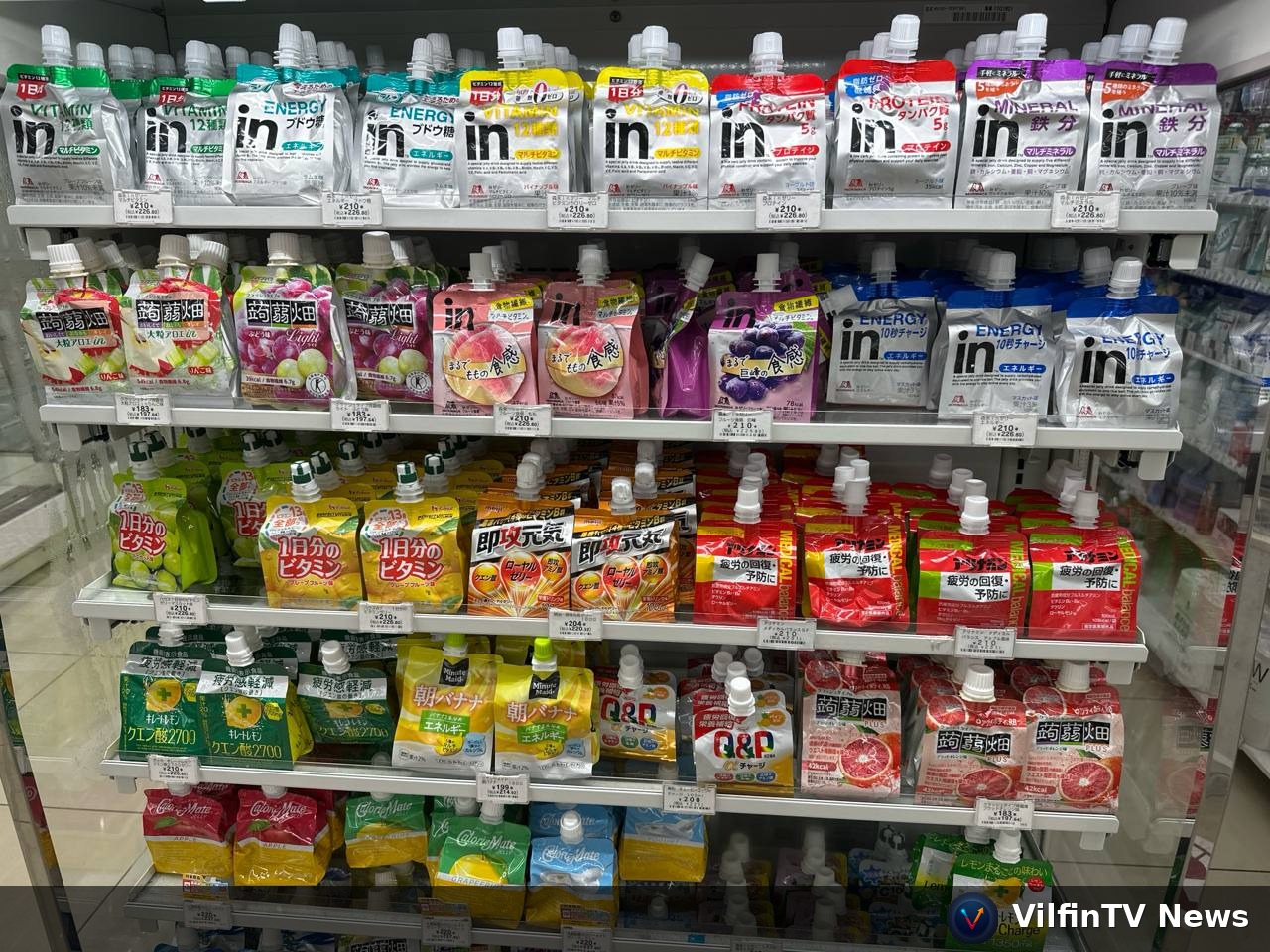
Walk into almost any convenience store in Japan and you'll find a wall like this: dozens of soft, squeezable pouches in every color of the rainbow, stacked shoulder to shoulder like a display of tiny fruit-flavored fire extinguishers. This is Japan's "energy jelly" aisle — and if you've never tried one, you've been missing one of the most quietly ingenious food inventions of the last thirty years.
What Is Energy Jelly, Actually?
The category was born in 1994, when Morinaga & Co. launched Weider in Jelly (ウイダーinゼリー) under license from the American Weider sports-nutrition brand. The pitch was almost absurdly simple: a semi-liquid, gently gelled drink you squeeze straight from the pouch — no spoon, no cup, no chewing, no utensils, gone in about ten seconds. It caught on so fast that by 2002, this single product line made up roughly 20% of Morinaga's entire sales. Today the shelf is crowded with competitors — Konjac Batake's fruit pouches, Calorie Mate's jelly line, Q&P Kowa's "Charge," Minute Maid's "Morning Banana," and citrus-charged options like Kire Tsuru Lemon — but "in Jelly" remains the name that started it all.
Who Actually Benefits From This

The genius of energy jelly isn't nutrition-label magic — it's logistics. This is, quite literally, the only food you can consume one-handed on a packed Tokyo train, between shifts at work, or crossing a finish line without breaking stride. That's not a marginal use case in a country where the average commute eats up real chunks of the day.
Three groups get genuine, science-backed value from it. Endurance athletes and runners use it exactly like a sports gel — mechanistically, a maltodextrin-based jelly is a fast-digesting carbohydrate source that avoids the stomach cramping a solid meal can cause mid-run. People with low appetite — the elderly, anyone recovering from illness, even patients between chemotherapy sessions — get real value from something calorie-dense that requires zero chewing; some of these jellies are sold in Japanese hospital gift shops for exactly this reason. And iron-deficient women are a documented real-world gap this product actually helps close: average iron intake among Japanese women in their 20s runs around 6.2mg a day, well under the 10.5mg daily target for menstruating women — a real, measurable shortfall, not marketing invention.
Flavors: The Wall of Fruit

Flip through the photo above and you'll see the actual lineup: grape, peach (momo), muscat, apple, mixed citrus, banana, and lemon dominate, alongside more literal flavor names like "Multivitamin" and "Mineral." Grape and peach tend to be the best-sellers — both deliver just enough real fruit-juice flavor to not taste purely like a vitamin tablet dissolved in water, which is a harder trick than it sounds.
Vitamins, Minerals, Iron and Calcium: What's Actually Inside
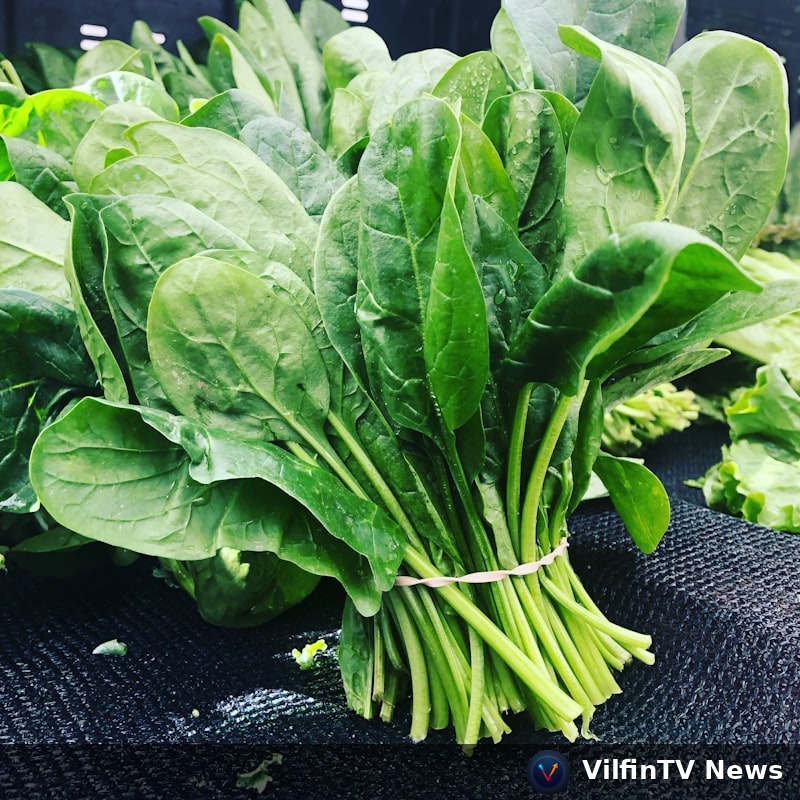
The base "Energy" variant is straightforward: about 180 kilocalories per 180g pouch, zero protein, zero fat, roughly 45g of carbohydrate — mostly liquid dextrin and fructose-glucose syrup — fortified with a broad spread of vitamins including B1, B2, B6, B12, C, D, E, niacin, pantothenic acid and folate. Think of it as a flavored, vitamin-enriched sports gel, because that's essentially what it is.
The specialty variants change the math meaningfully. The Protein version trades most of the sugar for around 5 grams of protein (from whey and fermented milk) at roughly a third of the calories, plus about 42mg of calcium. The Mineral version is the one worth paying attention to if you're actually deficient in something: it packs roughly 2.3mg of iron (about 22% of a menstruating woman's daily target), 227mg of calcium (close to 35% of the daily requirement — matching the manufacturer's own "about a third of your daily minerals" claim almost exactly), plus zinc, copper and magnesium. That's a genuinely useful nutritional top-up in ten seconds, not just a sugar rush with a health halo painted on.
The Side Effects Nobody Puts on the Front of the Pouch
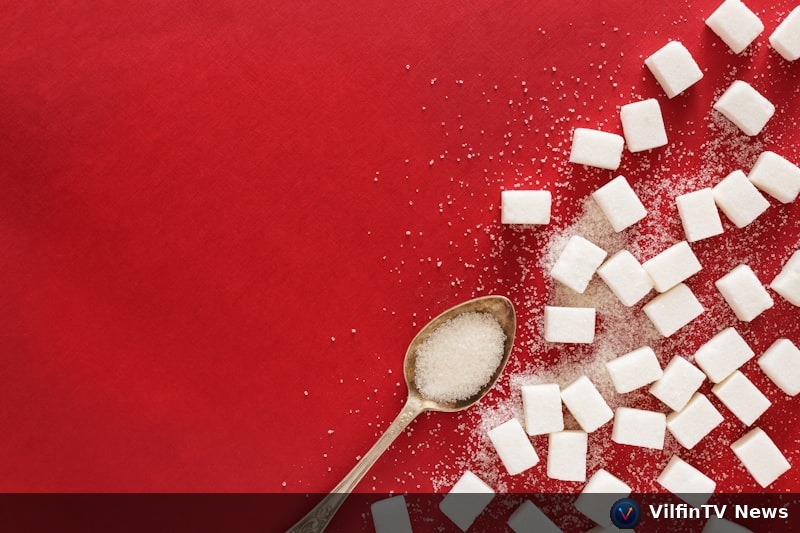
Here's the honest part the cheerful packaging doesn't advertise. The base Energy variant is 45 grams of fast-digesting carbohydrate with zero fiber, zero protein and zero fat to slow it down — a real blood-sugar-spike risk for anyone diabetic or glucose-sensitive, and not something to drink on an empty stomach if you're trying to avoid a sugar crash an hour later. It is also, despite how convenient it feels, not a meal replacement — 180 kilocalories with no protein or fat cannot substitute for an actual breakfast or lunch, no matter how efficiently it goes down. Some mineral-fortified variants also contain artificial sweeteners like acesulfame-K and sucralose to keep the calorie count low — both are approved and widely used, but worth knowing if you specifically avoid them.
Important: Don't Confuse This With Cup-Style Konjac Jelly
This is the discriminator that actually matters for safety, not just accuracy. The squeeze-pouch jelly drinks in the photo above — thin, almost sippable in consistency — are genuinely different from the small, firm, cup-style konjac (konnyaku) jelly snacks that share shelf space in Japanese stores and have a real, documented safety history behind them.
Between 1995 and September 2008, Japan recorded 17 choking deaths linked to bite-sized cup konjac jelly — the tragedy that triggered regulatory action was the death of a 21-month-old boy in Hyogo Prefecture in September 2008, after which manufacturer MannanLife suspended production of its mini-cup product entirely. The industry response was real and lasting: warning labels on cup-style konjac jelly are now legally required to be a minimum of 4.5cm by 13cm, explicitly warning that the product's dense, chewy texture is a choking hazard for young children and the elderly with weak chewing strength.
The squeeze-pouch energy jelly on this page's shelf photo is a fundamentally different, softer consistency, designed to be swallowed rather than bitten — and has no comparable choking-death record. If you're buying for a child or an elderly relative, that distinction is the one thing worth actually remembering from this whole article.
The Bottom Line
Energy jelly isn't a health food, and it was never trying to be one — it's a logistics solution wearing a nutrition label, built for exactly the moment when you have ten seconds, one free hand, and no appetite for anything more complicated. Used the way it's actually meant to be used — a pre-run carb hit, a stopgap when you genuinely can't stomach breakfast, a mineral top-up on a day your diet fell short — it does its narrow job better than almost anything else on a convenience-store shelf. Used as an actual substitute for real meals, day after day, it's just sugar water with vitamins bolted on. The wall of colorful pouches isn't lying to you. It's just not telling you the whole story either — now you know both halves.