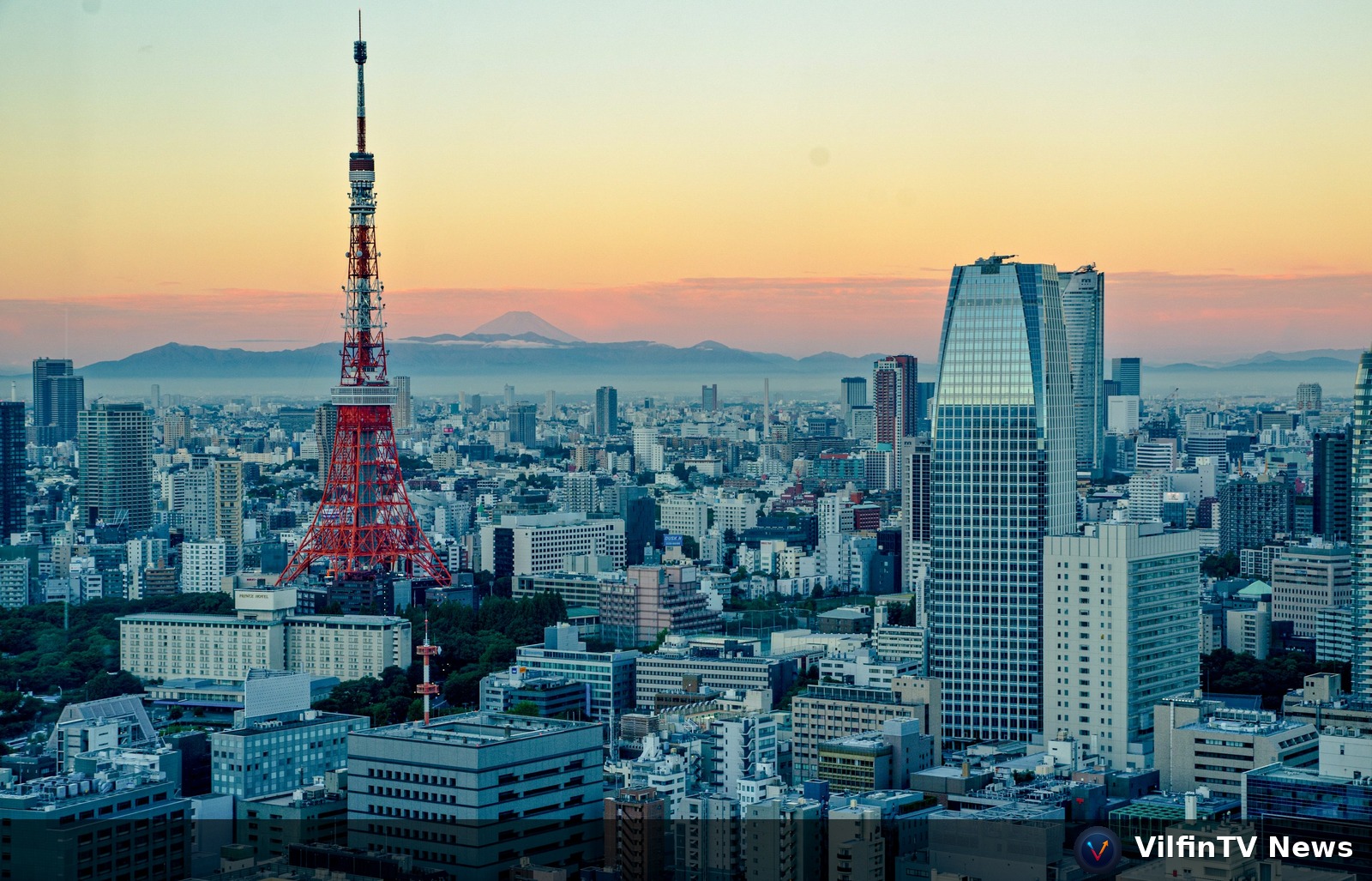
You landed in Tokyo with a dream, a suitcase full of optimism, and a perfectly healthy Vitamin D level. Six months later, you are exhausted in a way that sleep cannot fix, your bones ache like you aged fifteen years overnight, and you spend every Sunday wondering why nothing feels right. Congratulations. Japan has quietly and efficiently stolen your sunshine — and you had absolutely no idea it was happening.
This is not a niche expat problem. This is not a rare medical curiosity buried in academic journals. Vitamin D deficiency is one of the most common yet systematically undetected health issues affecting foreign professionals working in Japanese cities. And the darkly comedic part? The very things that make Japan a wonderful place to live — the brilliant work culture, the beautifully engineered infrastructure, the meticulous UV skincare routines — are working together in perfect harmony to drain every last IU of Vitamin D from your body with surgical precision.
Let's break down exactly how Japan pulls off this heist, why it matters more than you think, and how you fight back starting today.
🔬 First, the Science — in Plain English
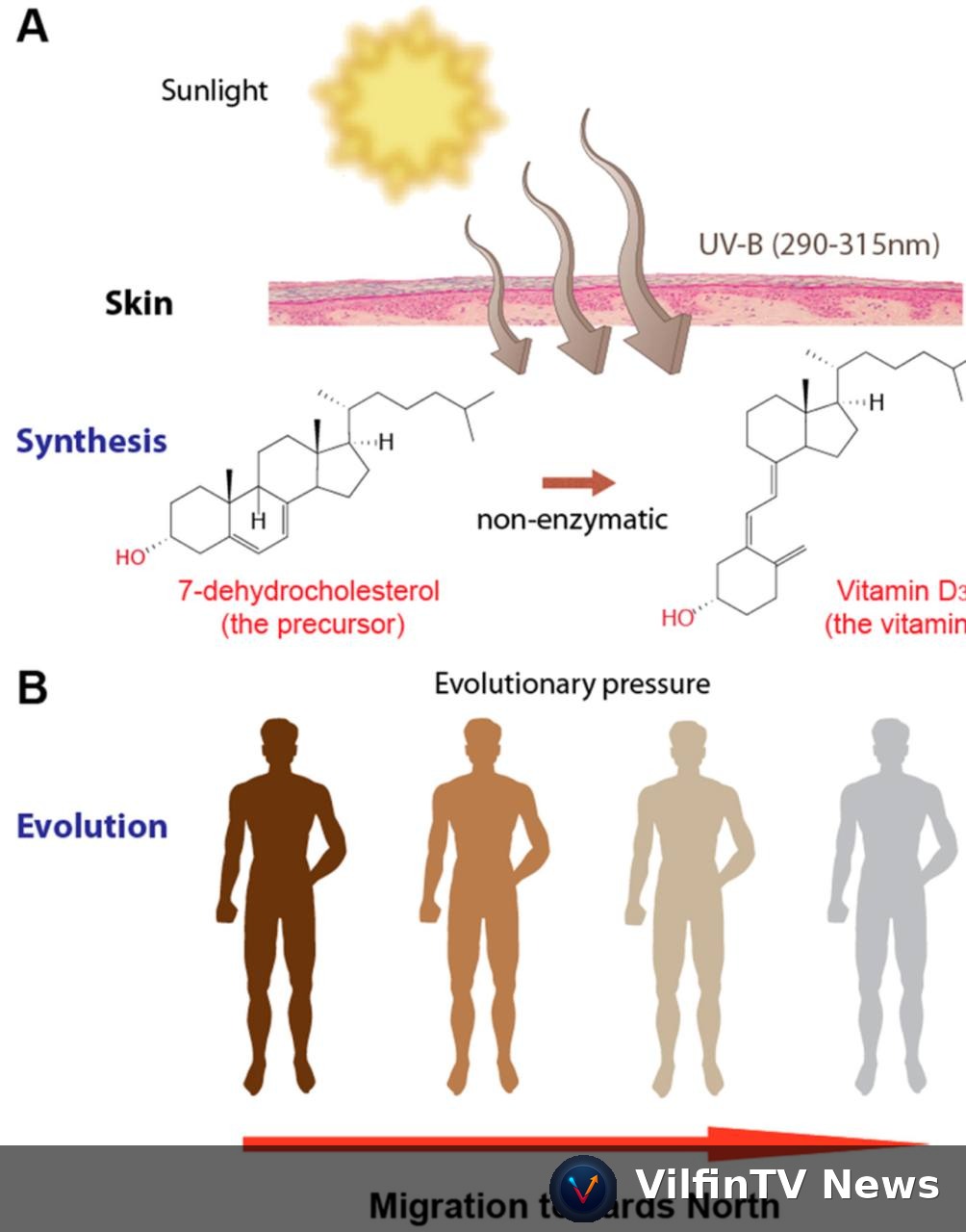
Your skin contains a molecule called 7-dehydrocholesterol. When UV-B radiation (wavelengths 290–315 nm) from sunlight strikes your skin, it triggers a non-enzymatic reaction that converts this precursor directly into Vitamin D3 — the active form your body uses. No UV-B hits your skin, no conversion happens. It is that binary.
There is also an evolutionary dimension worth understanding. Humans who migrated northward over millennia developed progressively lighter skin tones — not by accident, but because lighter skin allows more UV-B penetration in low-sunlight environments, enabling more Vitamin D synthesis with less sun exposure. If you have darker skin and moved to Japan from a tropical or equatorial region, your melanin — which evolved to protect you from intense sun — now also requires significantly more UV-B exposure time to produce the same amount of Vitamin D. You are, in a very literal sense, the wrong evolutionary model for this latitude and this office building.
🚇 The Great Sunshine Conspiracy: How Tokyo and Osaka Do It
Act One: The Urban Mole Lifestyle
You wake up before sunrise. You descend into the subway, that magnificent, air-conditioned underground kingdom that connects every part of the city with terrifying efficiency. You emerge from the station, cross twelve metres of exposed pavement, and enter a high-rise building whose glass windows are — this is the crucial twist — designed to block UV-B rays while allowing visible light through. You sit at your desk bathed in beautiful, warm, completely useless fluorescent light. When you finally exit at 7 or 8 PM, the sun has long since clocked out and gone home.
Your skin, which needs direct UV-B radiation to synthesise Vitamin D, has spent the entire daylight window either underground, in transit, or behind double-glazed solar glass. You have technically "seen sunlight" in the way that a submarine technically "sees the ocean." It doesn't count.
Act Two: The Fortification Gap Nobody Warned You About
Here is the thing that genuinely shocks most newcomers when they discover it. In many Western countries — the UK, the US, Canada, Australia — governments legally mandate that staple foods like milk, orange juice, margarine, and breakfast cereals must be fortified with Vitamin D. You have been getting a quiet, invisible top-up with every bowl of cereal since you were a child.
Japan does not do this. There is no mandatory fortification policy. The diet that kept your blood levels perfectly normal back home — the one you never thought about once — will quietly fail you here, not because Japanese food is nutritionally inferior, but because the invisible supplement you relied on has simply vanished from the menu without announcement.
You are, in essence, running on a fuel source that has disappeared from every petrol station in the country and nobody put up a sign.
Act Three: Japan's Formidable UV Protection Culture
Now add the final masterstroke. Walk through Shinjuku or Namba on a July afternoon and you will witness something that looks, to a newly arrived foreigner, like an outdoor performance art piece: a sun blazing at full summer intensity, not a cloud in the sky, and virtually every Japanese person walking with a UV-blocking parasol, UV-protective arm sleeves, a high-SPF sunscreen applied precisely at 8 AM and reapplied at lunch, and a wide-brimmed hat for good measure.
This is not vanity. This is a deeply embedded, entirely sensible, medically well-founded cultural practice designed to prevent skin damage, premature ageing, and skin cancer. It works brilliantly. The only minor side effect is that it also blocks UV-B radiation — the specific wavelength your skin needs to make Vitamin D — with the thoroughness of a bouncer who has a very strict policy about who gets in.
By summer, the ambient social pressure to protect your skin is significant enough that many expats unconsciously adopt the same habits. Which is fine for your complexion. Less fine for your skeletal integrity over the next three years.
🦴 What Happens When You Ignore This (A Slow-Motion Drama in Four Acts)
Vitamin D deficiency rarely announces itself dramatically. It is not the kind of illness that floors you overnight. It is the kind that works patiently, over months and years, quietly downgrading your quality of life in ways that are easy to blame on stress, jet lag, overwork, or just "adjusting to a new country."
Your bones and muscles start losing the plot. Vitamin D is the essential co-factor your gut uses to absorb calcium from food. Without adequate Vitamin D, you can eat all the dairy and tofu you like — your intestines simply won't absorb enough calcium. Over time, this leads to decreased bone density (osteomalacia in adults). Persistent, unexplained back pain and deep bone aches that feel vague but never fully go away are early warning signs.
The fatigue becomes a different beast entirely. Vitamin D plays a role in mitochondrial function — the cellular machinery your body uses to produce energy. When levels drop chronically, the fatigue that sets in is not fixed by sleep. It is a bone-deep tiredness that makes you question whether your cells have collectively decided to work at 60% capacity indefinitely. Many expats spend years in this state, assuming it is the demanding Japanese work culture, before a blood test reveals numbers that make their doctor wince.
Your immune system starts losing battles it used to win easily. Vitamin D is a key modulator of immune response. Chronic deficiency is linked to increased susceptibility to respiratory infections, slower wound healing, and heightened inflammation. If you find yourself catching every cold that circulates through your open-plan office, low Vitamin D deserves serious consideration.
Then there's the mood dimension. Vitamin D influences serotonin production and regulation. A deficiency is associated with increased risk of depression, anxiety, and mood instability. Layer that biochemical pressure on top of the real psychological challenges of being a foreigner in Japan — a new language, a demanding work culture, social isolation, distance from family — and you have a compounding effect that can quietly and efficiently undermine your mental health over time.
☀️ The Survival Playbook: What You Actually Do About It
Get a daily Vitamin D3 supplement. This is non-negotiable. D3 (cholecalciferol) is the same form your skin produces naturally and is significantly more effective at raising blood levels than D2. Find it easily in any Japanese drugstore — look for ビタミンD on the label. Many expat health professionals in Japan recommend 2000–4000 IU daily. Take it with a meal containing fat, as it is fat-soluble and absorbs significantly better that way.
Reclaim your lunch break — literally. You do not need to sunbathe for hours. You need 15–20 minutes of midday sun on your unprotected forearms and lower legs, two to four times per week, between 10 AM and 2 PM. Walk to a different café. Eat on a bench outside. These are not luxuries — they are maintenance for your skeletal and neurological systems.
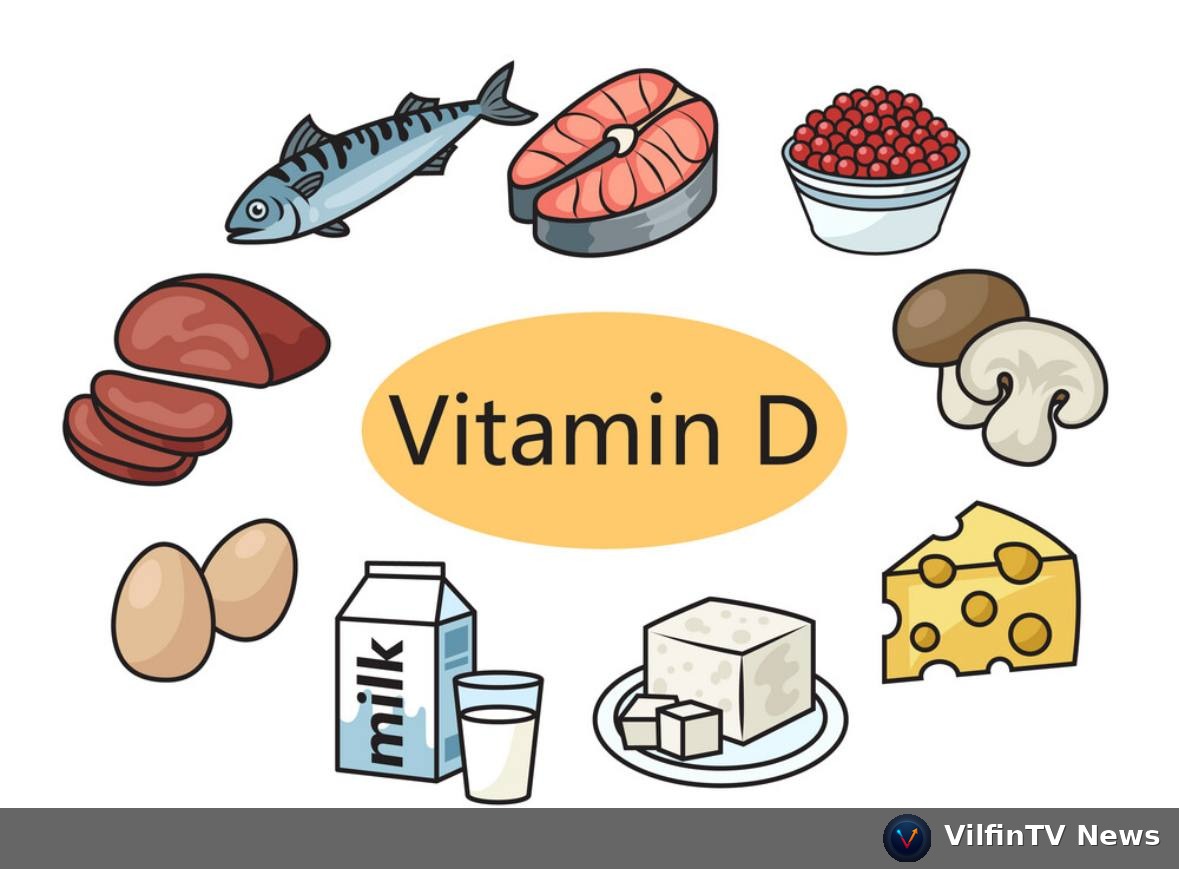
Reorient your diet around Japan's natural Vitamin D champions. Since fortified foods are off the menu, lean into what Japan does brilliantly: fatty fish and mushrooms. Salmon (~11 μg per 100g), mackerel/saba (13 μg), and Pacific saury/sanma (16 μg) are Vitamin D powerhouses embedded in standard Japanese cuisine — saba teishoku is one of the cheapest and most nutritious lunches in Tokyo. Sun-dried shiitake mushrooms (干し椎茸) develop extraordinary Vitamin D levels when dried outdoors. Egg yolks and tofu contribute consistent daily amounts too.
🔍 Fact Check
✅ UV-B synthesis in skin: 290–315 nm range — Confirmed. Standard architectural glass blocks UV-B, allowing UV-A through. Office lighting provides zero UV-B exposure.
✅ Japan does not mandate food fortification with Vitamin D — Confirmed. No regulatory requirement exists, unlike the EU, US, Canada, and Australia.
✅ Darker skin requires more UV-B exposure for equivalent Vitamin D synthesis — Confirmed. Melanin reduces UV-B penetration; people with higher melanin concentrations need proportionally longer sun exposure.
✅ Vitamin D3 is more effective than D2 at raising blood levels — Confirmed by a 2012 meta-analysis in the American Journal of Clinical Nutrition (Tripkovic et al.), finding D3 approximately 87% more potent at raising serum 25(OH)D.
✅ Pacific saury (sanma) is among the highest natural Vitamin D food sources — Confirmed. MEXT food composition database lists sanma at ~15.7 μg (628 IU) per 100g.
✅ Low Vitamin D associated with mood and serotonin regulation — Well-supported. 2020 meta-analysis in the Journal of Affective Disorders found significant association between deficiency and depressive symptoms.
✅ The Bottom Line
Japan is one of the most extraordinary countries on earth to live in. The food is spectacular. The infrastructure is flawless. None of that changes the fact that its urban environment creates near-perfect conditions for Vitamin D deficiency in people whose skin chemistry, dietary baseline, and daily routine were calibrated for a completely different environment.
The fix costs you less than ¥2,000 a month in supplements, fifteen minutes of your lunch break three times a week, and a weekly saba teishoku. That is a bargain for functioning bones, a working immune system, and a brain that produces serotonin on schedule.
You did not come all this way to be defeated by a vitamin. Go find the sun — or at least a good shiitake mushroom.
Health Disclaimer: This article is for general informational and educational purposes only and does not constitute medical advice. Vitamin D blood levels vary significantly between individuals based on genetics, skin tone, existing health conditions, and prior supplementation history. If you suspect a deficiency, consult a licensed physician for a serum 25(OH)D blood test before beginning supplementation. Many clinics in Tokyo and Osaka offer English-language services. Do not self-diagnose or self-treat based on this content alone.