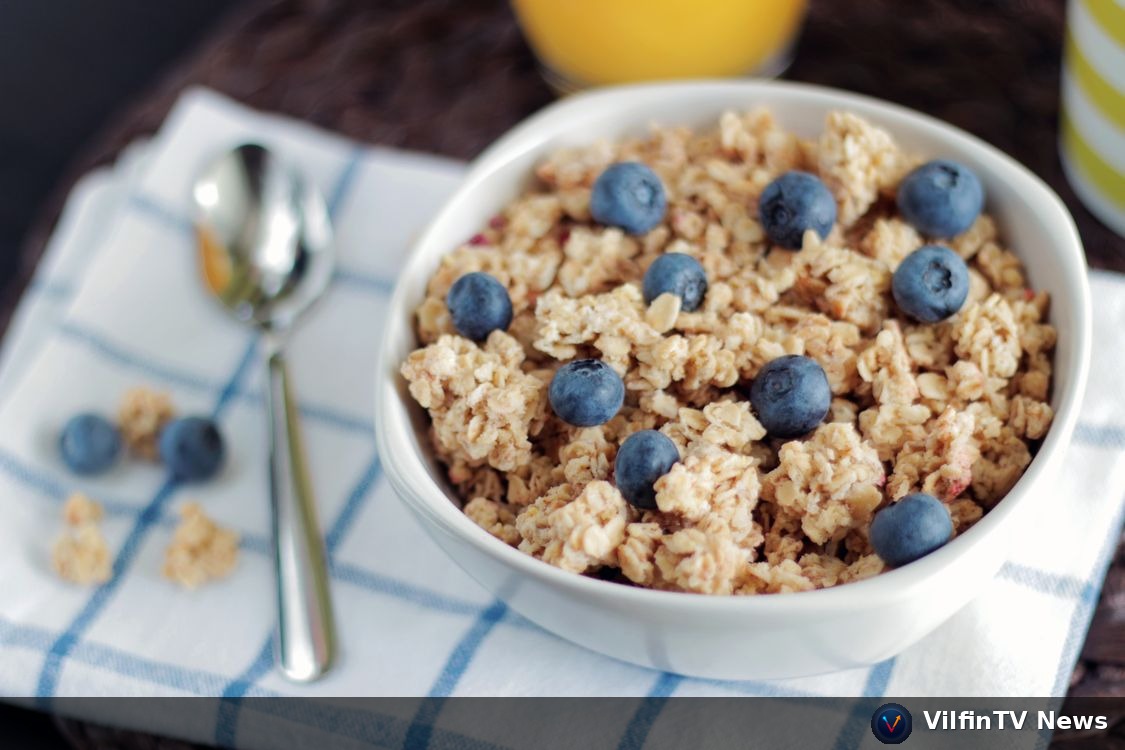
Your fitness influencer swears by it. Your cardiologist quietly recommends it. Your grandmother survived on it. But oats — that humble, beige grain sitting in your kitchen cupboard — is also quietly causing digestive chaos for thousands of people, potentially robbing you of key minerals, and triggering immune reactions in a small but significant population. So who's right? The truth about oats is richer, stranger, and more nuanced than any wellness blog will tell you.
Let's go through it — all of it — with the science intact and the hype stripped away.
🌾 What Oats Actually Are (The 60-Second Biology)
Oats (Avena sativa) are a whole grain, meaning the bran, germ, and endosperm are all present when you eat them in their natural rolled or steel-cut form. They are one of the few grains consumed almost exclusively in their whole form — unlike wheat, which is typically milled into refined white flour, stripping the bran and germ away entirely.
The key thing that makes oats genuinely different from other grains is a specific type of soluble fiber called beta-glucan. This molecule is so well-studied, so extensively documented in clinical trials, that both the FDA (United States) and the European Food Safety Authority (EFSA) have issued official health claims linking oat beta-glucan consumption to reduced cardiovascular risk. That almost never happens in nutrition science, where consensus is as rare as a quiet morning.
✅ The Pros — What Science Actually Confirms
1. Your Heart, Protected. Beta-glucan forms a thick, gel-like substance in your gut when it mixes with water. This gel physically traps bile acids — compounds your liver makes from cholesterol — and drags them out of your body before they can be reabsorbed. Your liver, suddenly low on bile acids, responds by pulling LDL cholesterol from your bloodstream to make more. The result: multiple meta-analyses confirm that consuming just 3 grams of oat beta-glucan per day (roughly one generous bowl of rolled oats) reduces LDL cholesterol by approximately 5–10%. For someone with borderline cholesterol, that's clinically meaningful without a single pill.
2. Blood Sugar, Slowed. That same gel viscosity that traps bile acids also slows the rate at which glucose enters your bloodstream after eating. Slower absorption = lower, flatter blood sugar peaks. This is why steel-cut oats have a glycemic index (GI) of approximately 42, comfortably in the low range, while a banana sits at 51. Oats, prepared correctly, are genuinely one of the better breakfast choices for blood sugar management.
3. You Stay Full — Biologically, Not Wishfully. Oats slow gastric emptying (the rate at which your stomach empties into your intestine). This triggers prolonged release of satiety hormones, particularly peptide YY (PYY) and glucagon-like peptide-1 (GLP-1) — the same pathways that expensive weight-loss drugs like Ozempic work on, just far more gently. Studies show oat breakfasts consistently reduce calorie intake at the next meal compared to comparable-calorie cereal breakfasts.
4. Your Gut Microbiome Gets Fed. Beta-glucan is a prebiotic — your gut bacteria ferment it, producing short-chain fatty acids (SCFAs) like butyrate. Butyrate directly nourishes colon cells, reduces gut inflammation, and is associated with lower risk of colorectal cancer. You are, effectively, farming beneficial bacteria every morning.
5. Unique Antioxidants Found Nowhere Else. Oats contain a class of antioxidants called avenanthramides — found almost exclusively in oats, nowhere else in the plant kingdom. These compounds have demonstrated anti-inflammatory, anti-itching, and vascular-protective effects in studies. They're one reason why oat extract is used topically in skin products for eczema. Your skin and your arteries are both benefiting simultaneously.
6. Nutrient Density Worth Respecting. A standard 40g serving of dry rolled oats delivers approximately 65–80% of your daily manganese (essential for enzyme function and bone development, range varies by sex), around 23% phosphorus, 9–20% iron depending on your sex (women need more), meaningful amounts of B vitamins including thiamine and folate, and 5–6g of protein. For a single food, that's genuinely impressive.
⚠️ The Cons — What They Quietly Skip
1. Phytic Acid: The Mineral Thief. Oats are high in phytic acid (phytate), an antinutrient that binds to minerals — iron, zinc, calcium, magnesium — and forms complexes your gut cannot absorb. Eating oats daily without preparation modifications can quietly reduce your absorption of these minerals by 10–50% depending on your diet's diversity. This is particularly relevant if oats are your primary breakfast and you're not eating a lot of mineral-rich foods otherwise.
The fix is simple but rarely mentioned: soak your oats overnight in warm water with a splash of apple cider vinegar or lemon juice. This activates phytase enzymes (present naturally in oats and in the soaking water's bacteria) that break down phytic acid before you eat it. Even plain water soaking for 8–12 hours reduces phytate content meaningfully.
2. The Gluten Problem — More Complicated Than You Think. Oats themselves do not contain gluten. They contain a similar protein called avenin. However, multiple independent surveys have found gluten contamination in the majority of commercially sold oat products at levels exceeding the 20 ppm celiac-safe threshold — during growing, harvesting, transport, or milling. This makes most supermarket oats unsafe for people with celiac disease unless labeled "certified gluten-free" — tested to below 20 parts per million (ppm) of gluten.
Here's the part even many doctors miss: even certified gluten-free oats cause intestinal damage in roughly 1 in 5 people with celiac disease. Their immune system reacts to avenin with the same autoimmune cascade it mounts against gluten. For those individuals, "gluten-free oats" is a real but dangerous myth.
3. Digestive Distress, Especially Early On. If you haven't been eating high-fiber foods regularly and you suddenly start daily oat consumption, expect bloating, gas, and cramping for the first 2–3 weeks. This is your gut microbiome adapting, not a sign of intolerance. But if the symptoms persist beyond a month, it's worth investigating whether avenin sensitivity is at play.
4. Instant Oats and Blood Sugar — A Betrayal in Disguise. Flavored instant oat packets — the kind marketed as "heart healthy" with pictures of fruit on the box — can contain 12–18 grams of added sugar per packet. Combined with the high GI of processed oats (GI ~83 for some instant varieties), the supposed blood sugar benefit completely collapses. The oat is no longer doing the work the label implies.
🛡️ The Immune System Question — Does Eating Oats Daily Damage Immunity?
This is where a lot of misinformation circulates, so let's be precise.
For the vast majority of people: No. Continuous oat consumption does not damage immunity. It actually supports it. Beta-glucan is classified as a biological response modifier — it binds to receptors (primarily Dectin-1) on immune cells called macrophages and dendritic cells. This binding primes your innate immune system, increasing its baseline readiness to respond to genuine threats like bacteria and viruses. Multiple clinical studies have shown that beta-glucan supplementation reduces both the frequency and severity of upper respiratory infections. You're not suppressing immunity — you're training it.
The caveat is real, but narrow. For people with celiac disease who are avenin-reactive, daily oat consumption is an ongoing immune insult. Every serving triggers a small but measurable inflammatory response in the intestinal lining — cumulatively causing villous atrophy (damage to the tiny fingerlike projections in your gut responsible for nutrient absorption). If you have celiac disease and experience persistent gut symptoms on certified GF oats, this is the mechanism you're fighting.
A second legitimate concern is nutritional monotony. Eating the exact same breakfast every single day — even a good one — can create blind spots in your micronutrient intake. Oats are genuinely excellent but they are not a complete food. If oats + protein powder is your entire morning, you may be chronically low in certain fat-soluble vitamins (A, D, K), omega-3s, and minerals your oats are actually blocking via phytate. Diversity is the immune system's best friend in the long run.
📋 The Four Types of Oats — Know What You're Actually Eating
| Oat Type | Glycemic Index | Beta-Glucan Intact? | Processing Level | Verdict |
|---|---|---|---|---|
| Steel-Cut (Pinhead) | ~42 | ✅ Highest | Minimal (just chopped) | Best choice |
| Rolled / Old-Fashioned | ~55 | ✅ High | Steamed + rolled flat | Excellent daily choice |
| Quick Oats (plain) | ~66 | ⚠️ Medium | Cut thin + pre-cooked | Acceptable if plain |
| Instant (flavored packets) | ~83 | ❌ Mostly destroyed | Heavy processing + sugar | Avoid |
📅 How to Eat Oats to Actually Get the Benefits
How much? Research consistently shows benefits at 40–70g of dry oats per day (roughly ½ to ¾ cup). This provides the 3g+ of beta-glucan that the FDA health claim is based on. More is not dramatically better; there's a ceiling effect on beta-glucan absorption.
When? Morning is optimal — not for mystical circadian reasons, but practical ones. Oat-induced satiety reduces overall calorie intake for the rest of the day most effectively when consumed at the first meal. Eating them at dinner is perfectly fine for their nutrient value, just less impactful for appetite control.
How to prepare? The single biggest upgrade you can make: soak overnight. Cover rolled oats in cold water (or milk/plant milk) in the fridge the night before. This pre-activates phytase, breaking down a significant portion of phytic acid before you eat. You improve mineral bioavailability and also cut cooking time to near zero. No heat required at all if you eat them as overnight oats.
What to pair them with? Add a vitamin C source — fresh berries, citrus segments, a squeeze of lemon. Vitamin C converts non-heme iron (the form in oats) into a more absorbable form, partially counteracting the phytic acid effect. Also pair with protein (eggs, Greek yogurt, a handful of nuts) to balance the meal's glycemic load further and prevent the mid-morning energy crash that pure carbohydrate breakfasts cause.
🚫 Oats You Should Actively Avoid
1. Flavored instant oat packets — Quaker Oats Maple Brown Sugar, Kellogg's Oat So Simple flavored variants, and similar products often contain more sugar than a chocolate biscuit. The "oat" in the name is doing marketing work, not nutritional work. Read the sugar content. Walk away if it's above 5g per serving.
2. Oat-based granola bars, granola cereals, and "oat clusters" — typically loaded with palm oil, glucose syrup, and maltodextrin. The beta-glucan fiber is largely destroyed by the high-temperature baking and the sugar-fat matrix. You are eating an oat-flavored candy bar with a halo effect.
3. Unlabeled oats if you have celiac disease — anything not explicitly labeled "certified gluten-free" to below 20 ppm. The supply chain for oats is genuinely contaminated at multiple points. This is not excessive caution; it is a medically documented reality.
4. Old, rancid oats — unlike most grains, oats have a relatively high fat content (~7g per 100g). Those fats oxidize over time, especially once the package is open and exposed to air. Rancid oats smell faintly off — slightly musty or paint-like. Trust your nose. Oxidized fats are pro-inflammatory and counteract the very benefits you're eating oats for. Buy in smaller quantities and store in an airtight container.
🔍 Don't Confuse These Three Common Oat Claims
Claim 1: "Oats are gluten-free." True for pure oats in isolation. False for most commercial oat products on the shelf. The phrase "gluten-free oats" on a package means it's been tested; without that label, assume contamination. These are not the same thing and the difference matters enormously if you have any form of gluten sensitivity.
Claim 2: "Oats are high in fiber, so they're all equally good for blood sugar." False. The fiber in heavily processed instant oats is structurally broken down — the beta-glucan chains are shorter and form a less viscous gel in your gut. That gel viscosity is the entire mechanism behind blood sugar moderation. A shorter chain = less gel = less effect. Steel-cut and rolled oats retain the long beta-glucan chains that do the work. Processing destroys the very property you're eating oats for.
Claim 3: "Eating oats every day will suppress your immune system over time." False for healthy people — the evidence goes the opposite direction. This claim likely originates from misapplied information about dietary monotony or from cherry-picked case reports about celiac + avenin reactions, extrapolated to the general population where it simply doesn't apply.
🎯 The Verdict
Oats deserve most of the praise they get — but with precision, not blind faith. Steel-cut or rolled oats, soaked overnight, paired with protein and vitamin C, eaten daily in a 40–50g serving: this is genuinely one of the most well-evidenced dietary habits in nutrition science. The cardiovascular and blood sugar benefits are real, documented by regulatory-grade evidence, not just a wellness trend.
But instant flavored oats are not oats in any meaningful functional sense. They are processed grain products with oat branding. And if you have celiac disease, the "oats are safe" conversation requires a conversation with your gastroenterologist — not a wellness article.
The humble bowl of morning oats, done right, is one of the cheapest, most evidence-backed investments you can make in your long-term health. Done wrong — flavored packets, rancid grains, no soaking, no protein — it's a mildly overrated carbohydrate. The difference between those two outcomes is entirely in how you choose and prepare them.
Important: This article is for general educational purposes only and does not constitute medical or nutritional advice. If you have celiac disease, diabetes, kidney disease, or any condition requiring dietary management, consult a registered dietitian or your physician before making changes to your diet based on this information.